










Amazing trip, thoughtful logistics, and a guide who made Machu Picchu unforgettable.
Thi W TripadvisorSignature Peru Tour
CLASSIC Colca Canyon Trek 3 Days
Slogan Here
StartsCusco
Duration3 Days
Physical LevelEasy
SitesCusco, Sacred Valley, Machu Picchu
Trip Overview
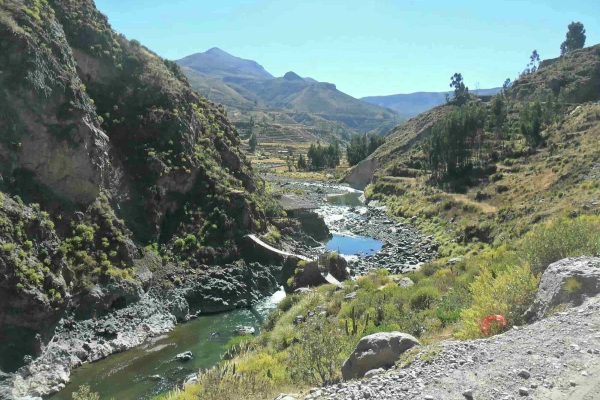
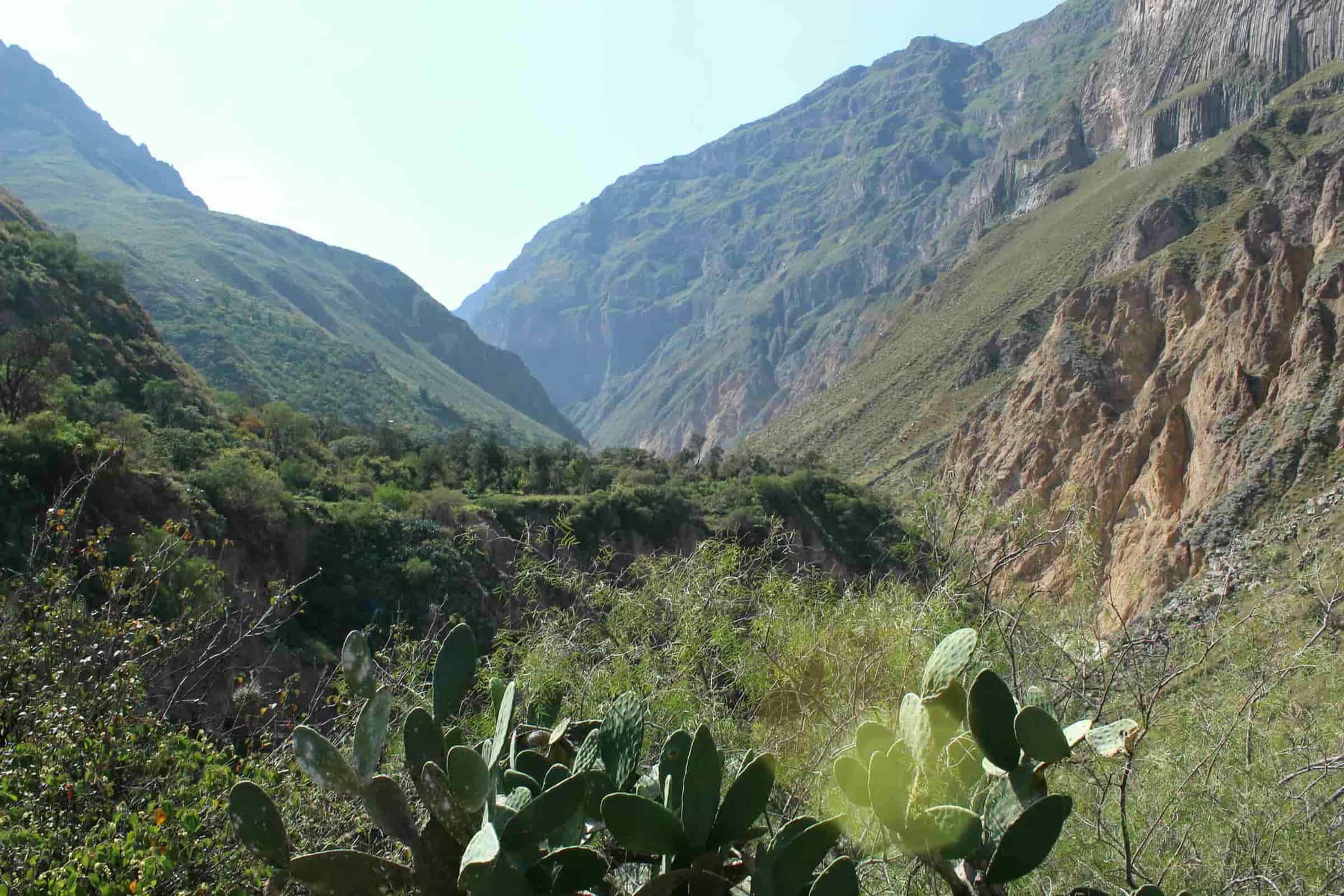
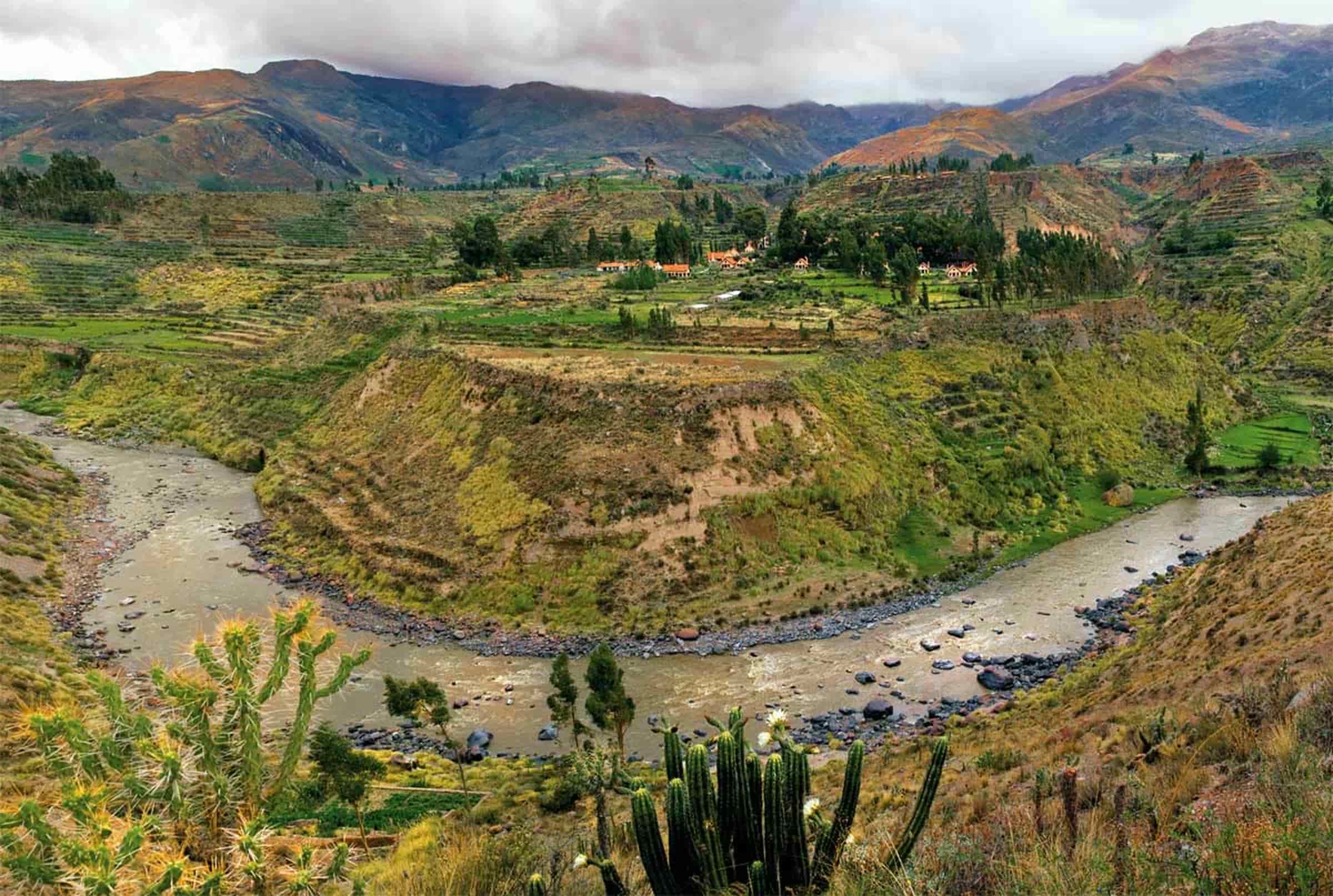
These itinerary details a three-day trek through the Colca Canyon, extending the standard two-day route with an additional night within the canyon.
The trek involves a four-hour descent on the initial day, followed by four hours of combined ascent and descent on the second day. The final day requires a three-hour ascent out of the canyon.
Day by Day Schedule
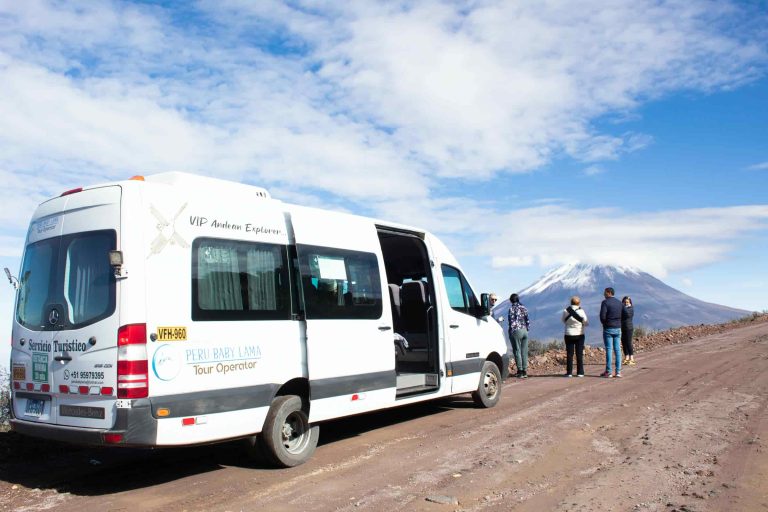
Pickup occurs between 3:00 and 3:30 AM from the designated lodging. A three-hour vehicle transit leads to Chivay (11,811 feet/3600 meters). A basic breakfast is provided, consisting of bread, butter, jam, tea, mate, and coffee.
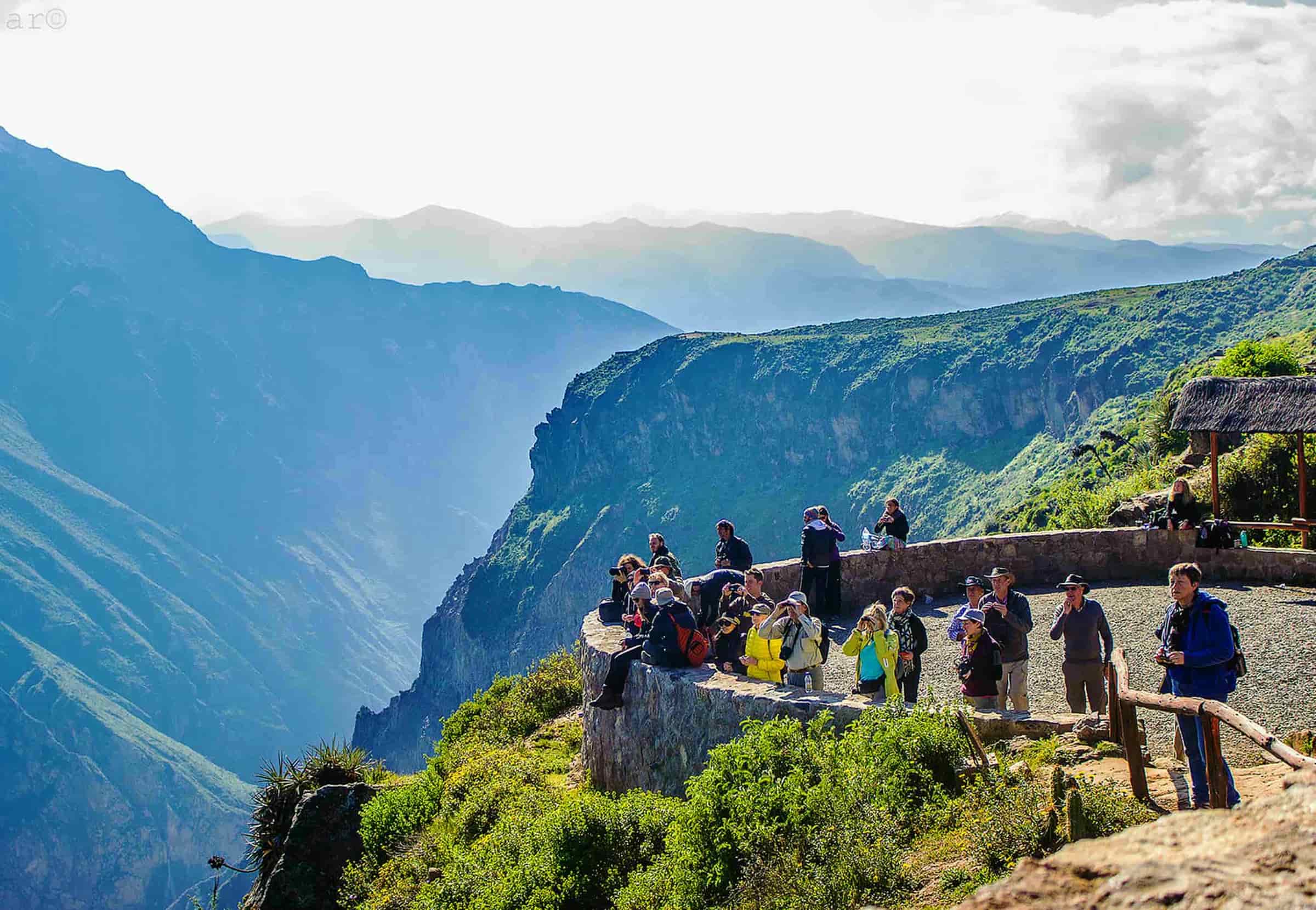
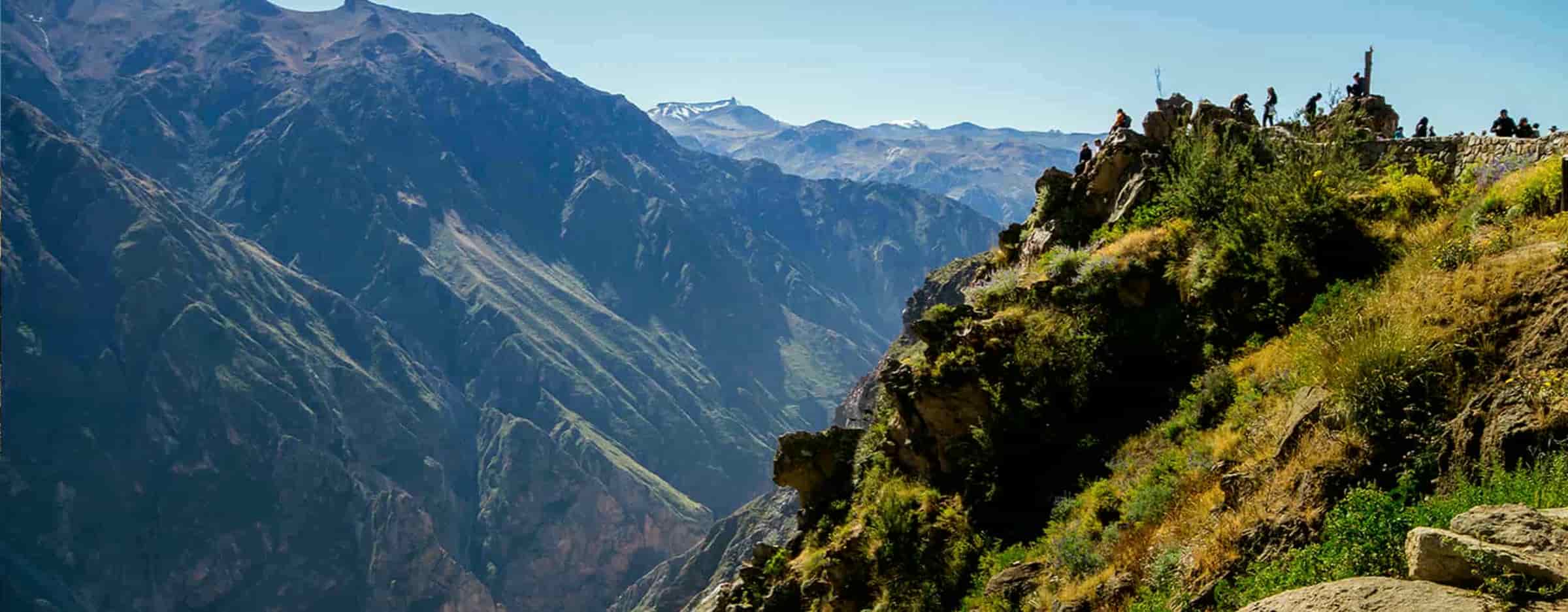
The journey continues to the Condor Cross Viewpoint. A 45-minute stop allows for observation of the Colca Canyon and potential condor sightings. Subsequently, a short drive to San Miguel (10,826 feet/3300 meters) initiates the trek.
The route descends to San Juan de Chuccho. A simple lunch, comprising vegetable soup, rice, potatoes, and alpaca, is served. A vegetarian alternative is available. The remaining afternoon is allocated for leisure in San Juan de Chuccho and relaxation in shared bamboo bungalows. Overnight accommodation is in San Juan de Chuccho.
A 7:00 AM wake-up is followed by a breakfast of pancakes, tea, and coffee. The trek resumes towards Sangalle, passing the villages of Cosñirhua and Malata. Sangalle (6,233 feet/1900 meters) the lowest point of the trek, is reached. A standard lunch is served. Options for leisure include relaxation in the natural pools, fishing, or soccer. Dinner, typically consisting of vegetable soup, pasta, and tea, is served. Overnight accommodation is in bamboo bungalows.
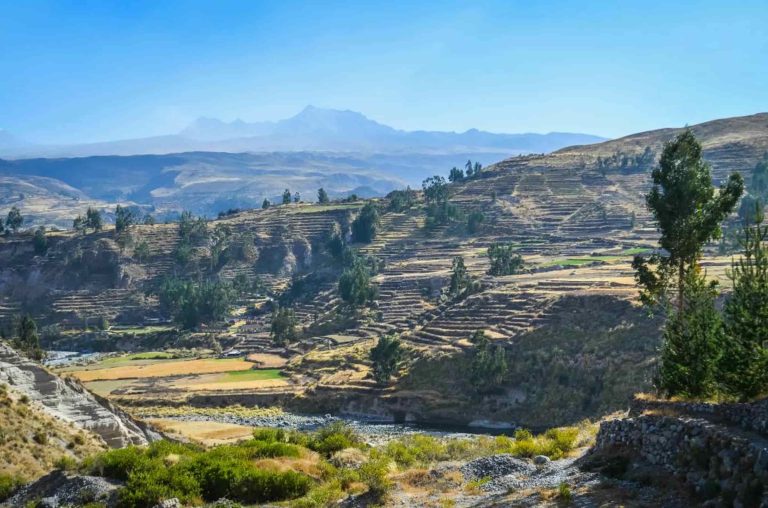
A 5:00 AM wake-up initiates the ascent to Cabanaconde. A basic breakfast of bread, butter, jam, tea, coffee, and mate is provided. A vehicle transfer back towards Chivay includes stops at pre-Incan and Incan terraces, colonial towns, and scenic viewpoints.
The Yanque hot springs are visited for approximately one hour. Lunch is served at a local restaurant in Chivay before the return journey to Arequipa.
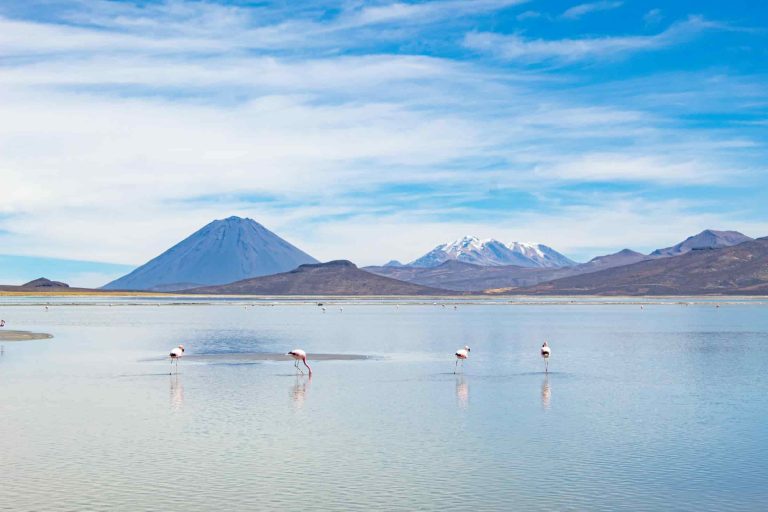
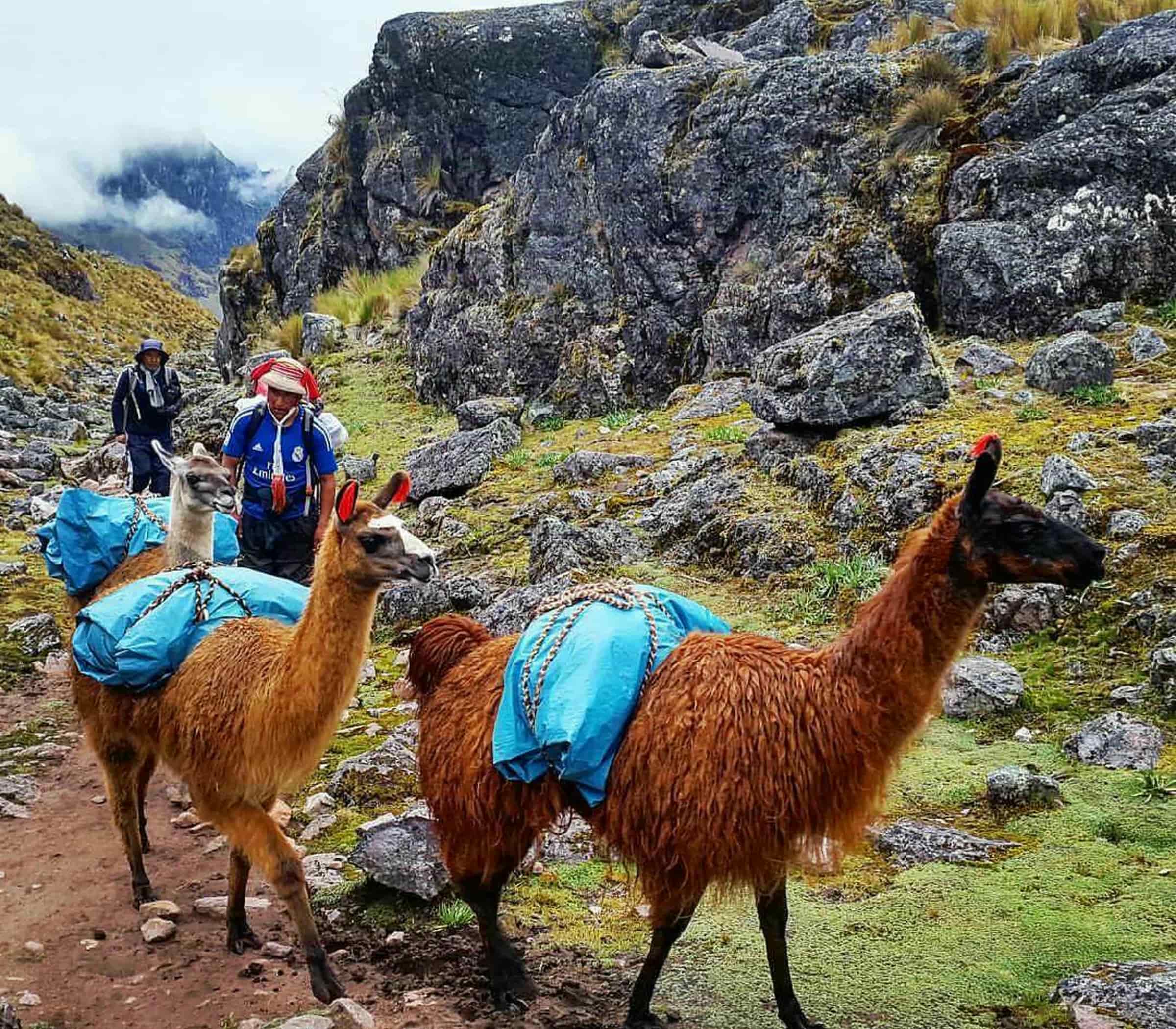
The route descends from 15,846 feet/4830 meters to 7,627 feet/2325 meters, with stops in the National Reserve of Aguada Blanca and Salinas and Pampa Cañahuas. Four South American camelid species are observed: alpacas, llamas, vicuñas, and guanacos.
Arrival in Arequipa is estimated at 5:30 PM.
Inclusions
What’s Included
- Roundtrip tourist transportation.
- Meals: two breakfasts, one lunch, one dinner.
- English-speaking trekking guide.
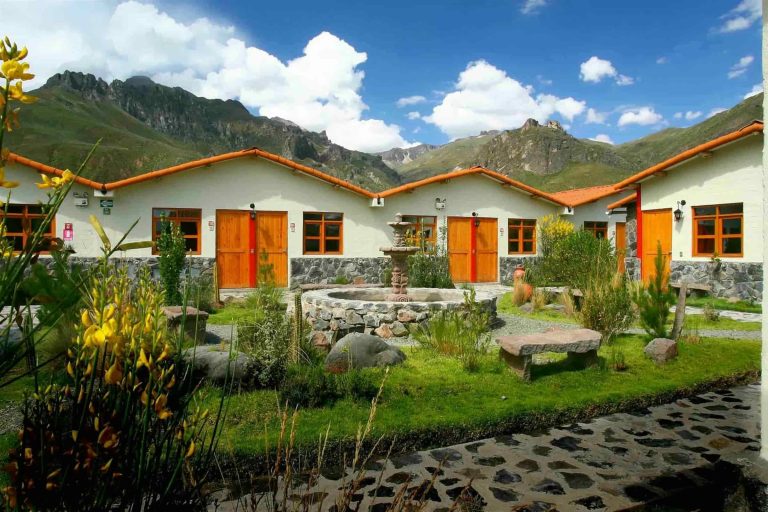
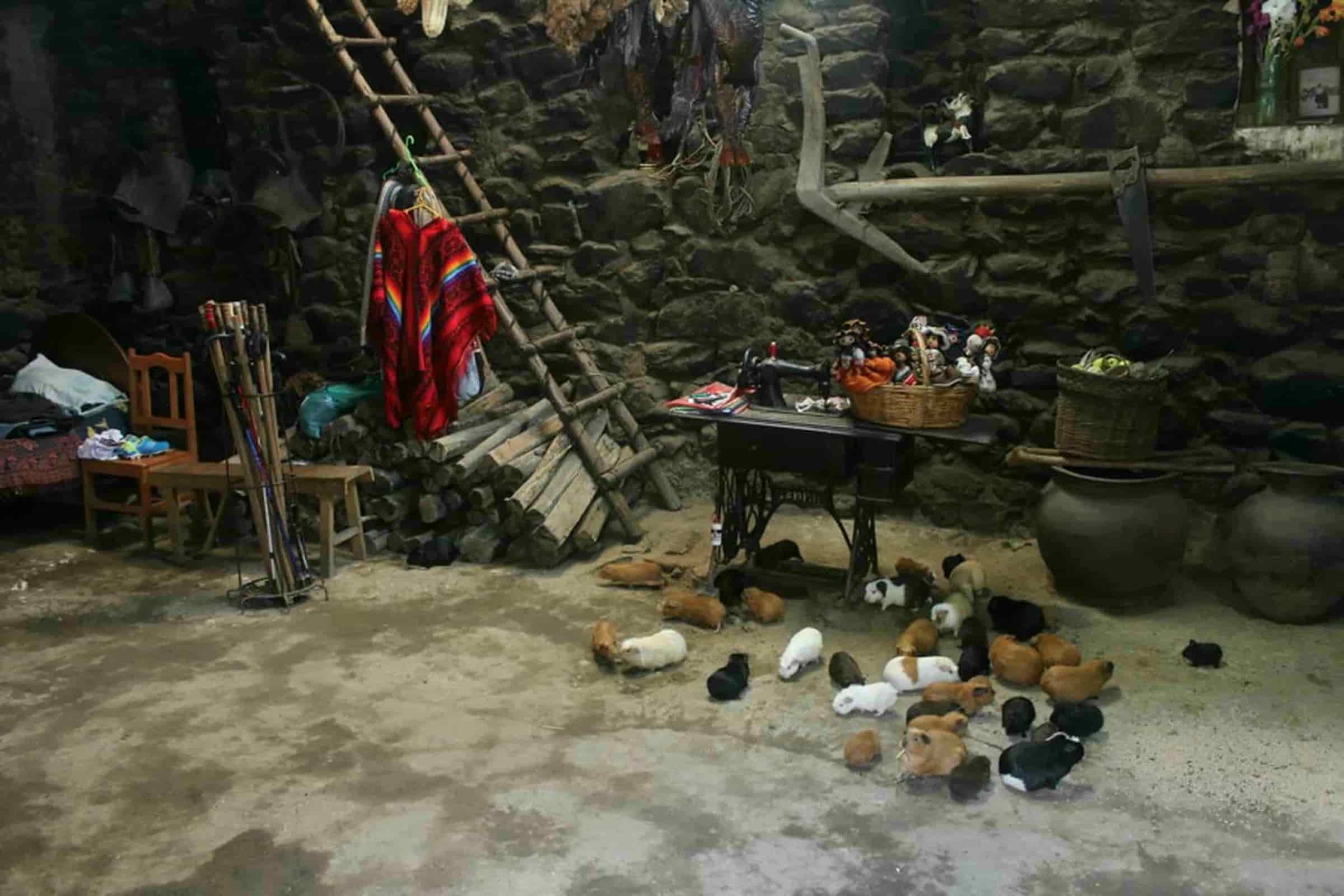
- Two nights in rustic bungalows.
- Cooking equipment and bedding.
- Swimming pool access.
What’s Not Included
- National Reserve entrance fee: 70.00 soles.
- Optional hot springs entrance fee: 15.00 soles.
- Guide gratuities.
- Final lunch in Chivay.
Note: Mule rental is available for fatigued trekkers.
More Tour Information
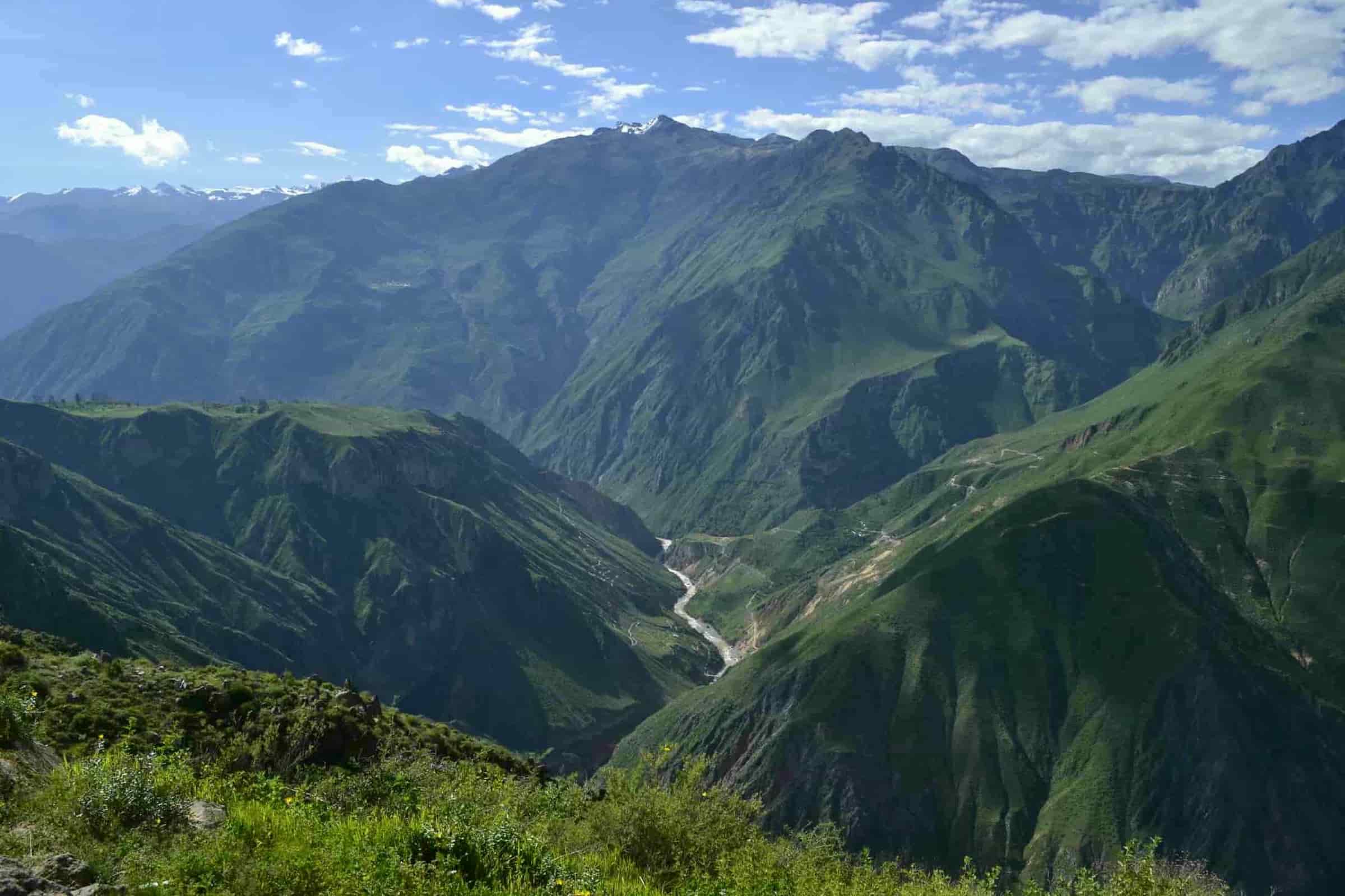
- Exploration of the Colca Canyon’s depth.
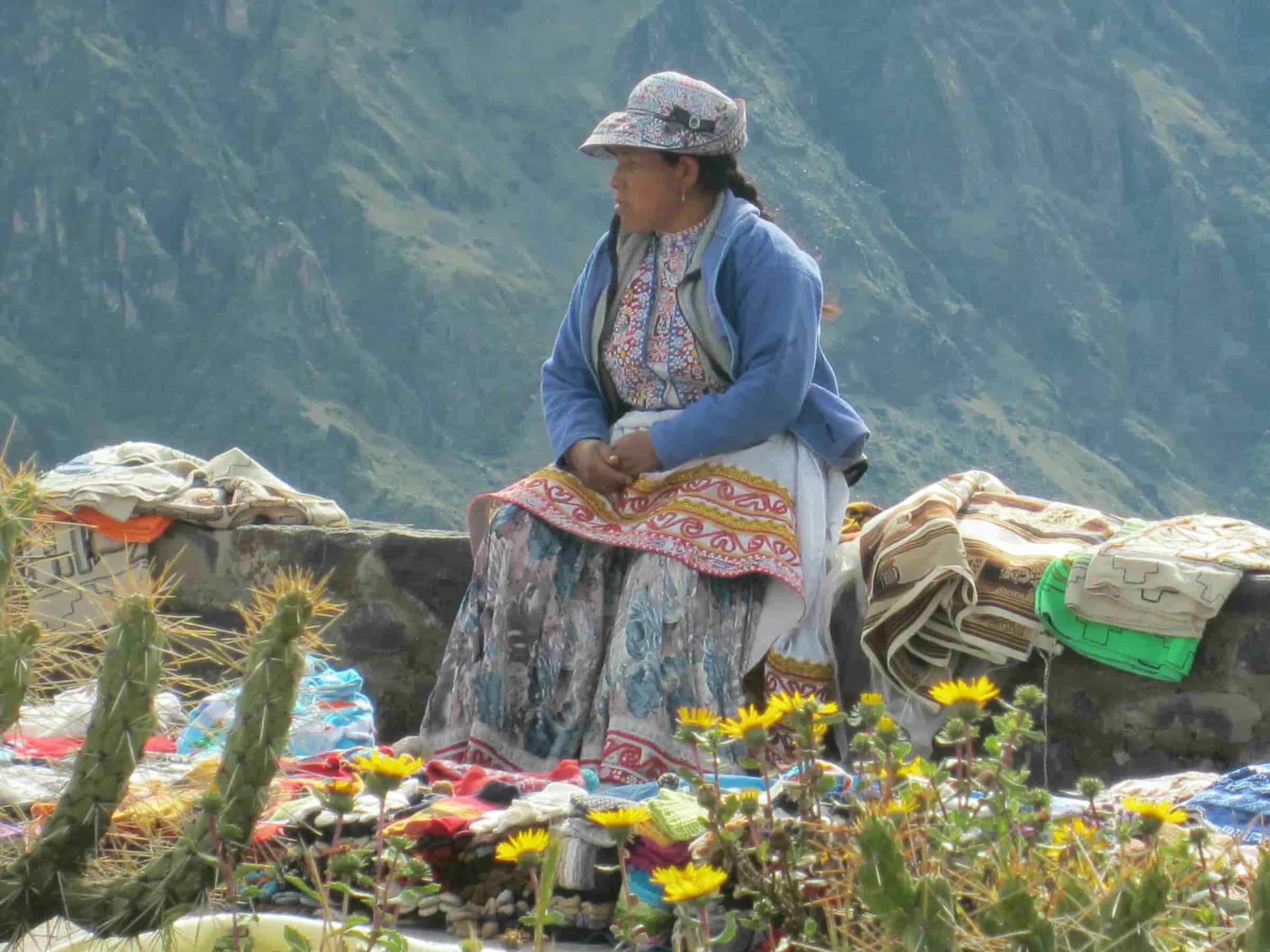
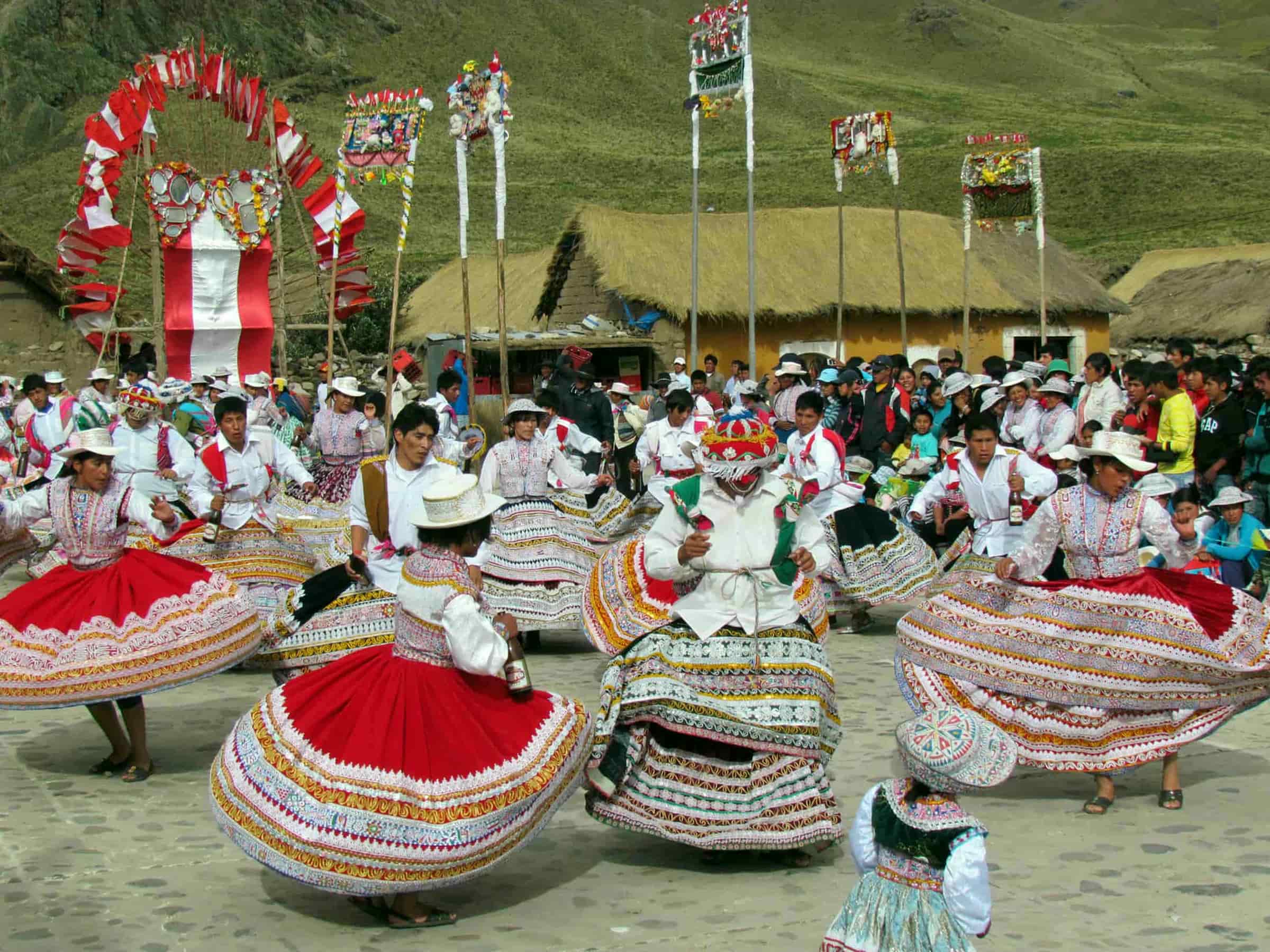
- Interaction with and accommodation by local residents.
- Relaxation at the Sangalle Oasis, featuring naturally fed pools.
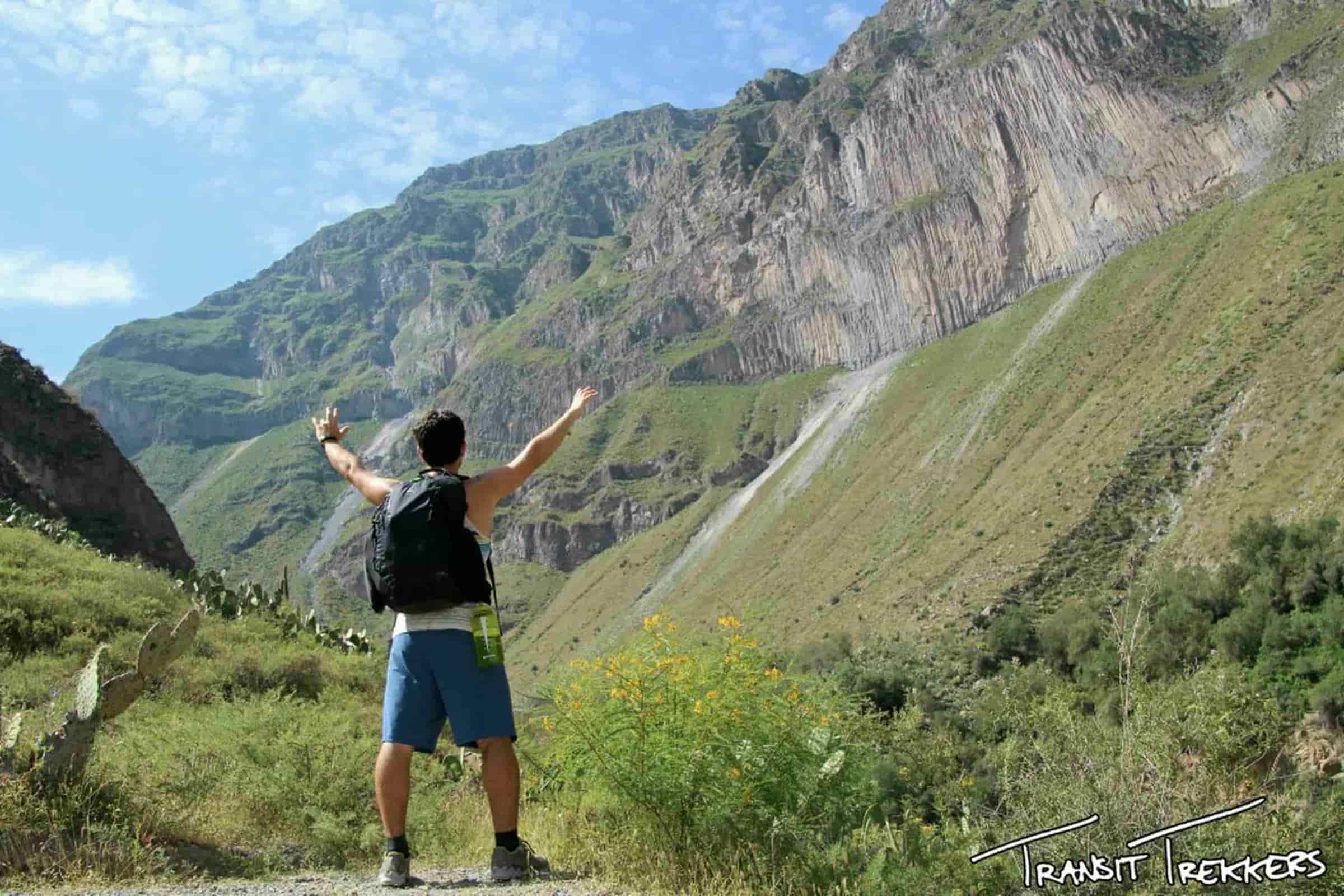
- Completion of a physically demanding trek.
- Observation of condor flights.
- Utilization of the Yanque hot springs and consumption of Peruvian cuisine in Chivay.
Required Items:
- Additional cash.
- Small backpack.
- 1.5 liters of water.
- Sunscreen, hat, and sunglasses.
- Trekking footwear.
- Warm sweater or jacket.
- Walking shorts or pants.
- Swimsuit, sandals, and towel.
- Flashlight.
- Camera with spare batteries.
- Insect repellent.
- Toilet paper.
Note: Small shops in the villages sell water, beverages, and snacks.
Traveling through the canyon can be a bit of a grind, and you might think “this is a bit of a stretch” when thinking about the up hill parts. But, “at the end of the day” it’s worth it. It’s also important to remember that things can get “a little hairy” on the trails, so good footwear is key. It’s also a good idea to “keep your eyes peeled” for condors. You’ll hear people say “no worries” a lot when discussing the difficulty of the trek.
Colca Canyon Trekking: Your Guide to a Successful Adventure
Planning Your Trip
Best Time to Visit:
- The dry season (April to October) offers the most favorable trekking conditions.
- During this time, you’ll experience less rain and clearer views.
Choosing Your Trek:
- Consider your fitness level and time constraints when selecting between the 2-day and 3-day trek options.
- The 3 day option allows for a more relaxed experience.
Booking Your Tour:
- Research reputable tour operators and book in advance, especially during peak season.
- Confirm what is included in the tour price, such as transportation, meals, and entrance fees.
Preparing for the Trek
Fitness:
- The trek involves steep ascents and descents, so a moderate level of fitness is required.
- Engage in regular exercise before your trip to prepare your body.
Packing Essentials:
- Trekking shoes or boots: Essential for navigating uneven terrain.
- Warm clothing: Temperatures can drop significantly, especially at night.
- Sun protection: Sunscreen, hat, and sunglasses are vital.
- Insect repellent: Protect yourself from mosquito bites.
- Swimsuit and towel: For enjoying the hot springs and oasis pools.
- Flashlight or headlamp: For navigating in the dark.
- Cash: Small shops and local vendors may not accept credit cards.
- First aid kit: prepare for small injuries.
Acclimatization:
- Spend a few days in Arequipa (or another high-altitude location) before the trek to acclimatize to the altitude.
- Drink plenty of water and avoid strenuous activity during your first few days.
During the Trek
Staying Hydrated:
- Drink plenty of water throughout the trek to avoid dehydration.
- Carry a reusable water bottle and refill it at available water sources.
Pacing Yourself:
- Trek at a comfortable pace and take breaks when needed.
- Listen to your body and avoid pushing yourself too hard.
Respecting Local Culture:
- Be respectful of local customs and traditions.
- Ask for permission before taking photos of people or their property.
Safety:
- Follow your guides instructions.
- Stay on marked trails.
- Inform your guide of any health issues.
After the Trek Relax and Recover:
- Allow yourself time to rest and recover after the trek.
- Enjoy the hot springs in Yanque to soothe sore muscles.
Explore Chivay and Arequipa:
- Take time to explore the charming towns of Chivay and Arequipa.
- Visit local markets, restaurants, and historical sites.
Additional Tips
- Learn some basic Spanish phrases: This will enhance your interactions with locals.
- Be prepared for varying weather conditions: Pack layers of clothing to adapt to changing temperatures.
- Bring a camera to capture the stunning scenery: The Colca Canyon offers breathtaking views.
- Enjoy the experience! The Colca Canyon trek is a unique and rewarding adventure.
What is the difference between the 2-day and 3-day Colca Canyon trek?
The 3-day trek includes an extra night in the canyon, allowing for a more relaxed exploration and additional time to enjoy the Sangalle Oasis.
How difficult is the trek?
The trek is considered moderately difficult, with steep descents and ascents. A reasonable level of fitness is recommended.
What should I bring for the trek?
It is recommended to bring warm clothing, trekking shoes, sunscreen, a hat, insect repellent, a swimsuit, a towel, a flashlight, and cash.
Are mules available for rent during the trek?
Yes, mules can be rented to assist with the ascent or descent of the canyon.
What type of meals are included in the trek?
Simple breakfasts, lunches, and dinners are included, typically consisting of soups, rice dishes, potatoes, alpaca, and vegetarian options.
Are there bathrooms available during the trek?
Basic bathroom facilities are available in the villages and accommodations along the way.
How cold does it get in the Colca Canyon?
Temperatures can vary, but it generally gets cold at night and in the early morning. Warm clothing is recommended.
Is it necessary to bring water?
Yes, it is important to bring enough water, at least 1.5 liters per person, and water can also be purchased at village shops.
What type of accommodation is provided during the trek?
Accommodation is in shared rustic bungalows, usually made of bamboo.
Are condors visible during the trek?
Yes, the Cruz del Cóndor viewpoint is a popular spot for viewing condors flying over the canyon.
Do I need to bring my own sleeping bag?
No, bedding is provided in the rustic bungalows.
Is there Wi-Fi available during the trek?
Wi-Fi is generally not available during the trek, especially within the canyon.
What is the altitude of the Colca Canyon?
The altitude ranges from approximately 10,826 feet (3,300 meters) at the starting point to 6,233 feet (1,900 meters) at the deepest point in Sangalle.
Are there any ATMs available along the trek?
There are no ATMs available along the trek, so it is important to bring enough cash.
Can I charge my electronic devices during the trek?
Charging facilities may be limited, especially within the canyon. It is advisable to bring a portable power bank.
Require More Information
Contact Us
Let our local experts help you choose the perfect Peruvian adventure.
Traveler Reviews