Arequipa, also known as the “White City” because of its beautiful white volcanic stone buildings, is a must-visit destination in Peru. Nestled in a valley surrounded by impressive volcanoes, Arequipa offers a unique blend of history, culture, and natural beauty. When planning a trip to Arequipa, knowing the key sites to visit will help you make the most of your time. This article will guide you through some of the most important and interesting places to explore in and around Arequipa. While there are many lists of attractions, and personal preferences vary, these are consistently highlighted as top sites for visitors.
Plaza de Armas
The Plaza de Armas, or main square, is the heart of Arequipa and a stunning place to start your exploration. It is considered one of the most beautiful plazas in Peru, if not South America.
Location and Altitude: Located in the city center, the Plaza de Armas sits at approximately 7,677 feet (2,340 meters) above sea level.
What to See:
- Arequipa Cathedral: The most prominent building on the Plaza is the majestic Arequipa Cathedral. Its impressive facade dominates the square.
- Colonial Arcades: Surrounding the plaza are elegant colonial arcades with shops and restaurants. These are great for a stroll and people-watching.
- Central Fountain: In the center of the Plaza, there is a beautiful bronze fountain, adding to the square’s charm.
- Volcano Views: On a clear day, you can enjoy views of the Misti volcano towering in the background, creating a picturesque setting.
The Plaza de Armas is a vibrant hub of activity, perfect for soaking in the atmosphere of Arequipa. You’ll find locals and tourists alike enjoying this central space.
Arequipa Cathedral
The Basilica Cathedral of Arequipa, usually just called Arequipa Cathedral, is the main religious building of the city and a masterpiece of colonial architecture. It’s impossible to miss as it takes up the entire north side of the Plaza de Armas.
Architectural Significance:
- White Volcanic Stone (Sillar): Like many buildings in Arequipa, the Cathedral is constructed from white volcanic stone, giving it a distinctive bright appearance.
- Renaissance Style: Built in the Renaissance style with Baroque influences, the Cathedral showcases impressive columns, arches, and vaults.
- Earthquake Resistant: The thick walls and robust construction are designed to withstand earthquakes, common in this region.
Inside the Cathedral:
- Main Altar: The main altar is made of Carrara marble and is very ornate.
- Organ: The Cathedral houses a large and historic Belgian organ.
- Stained Glass Windows: Beautiful stained glass windows filter the light and add to the interior atmosphere.
Visiting: You can usually enter the Cathedral during visiting hours. Sometimes there is a small fee. It’s a place of active worship, so remember to be respectful when visiting.
Compañía de Jesús Church
The Iglesia de la Compañía de Jesús, or the Church of the Society of Jesus, is considered by many to be the most outstanding example of Baroque architecture in Arequipa. It’s located just off the Plaza de Armas and is known for its incredibly detailed facade and cloisters.
Baroque Masterpiece:
- Intricate Facade: The facade is richly decorated with carvings of plants, animals, angels, and mythical figures, all in the local white sillar stone.
- Polychrome Domes: The domes of the church are covered in colorful tiles, adding a vibrant touch.
- Cloisters: The church complex includes beautiful cloisters with more intricate carvings and peaceful courtyards.
Highlights Inside:
- Chapel of San Ignacio: Famous for its jungle-themed cupola, depicting tropical flora and fauna, a unique representation in religious art.
- Main Altar: The main altar is gilded and impressive, in typical Baroque style.
Don’t Miss: Take your time to examine the facade and the Chapel of San Ignacio in detail – they are truly remarkable. The cloisters also offer a tranquil escape from the city bustle.
Santa Catalina Monastery
The Santa Catalina Monastery is like a city within a city. This monastery is a historic complex that once housed cloistered nuns and is now open to the public as a fascinating museum. It’s one of Arequipa’s most famous attractions.
Historical Significance:
- 16th Century: Founded in 1579, it has a long and rich history. For centuries, it was a closed-off world for nuns from wealthy Spanish families.
- City Within a City: The monastery is a large complex of streets, plazas, courtyards, living quarters, kitchens, and chapels – like a miniature city.
- Cloistered Life: Nuns here lived in complete isolation from the outside world until relatively recently.
Exploring the Monastery:
- Colorful Streets: Wander through the narrow, vibrantly painted streets, named after Spanish cities.
- Nunnery Cells: Visit the simple cells where the nuns lived, furnished to show what life was like.
- Art and Artifacts: The monastery museum displays colonial art, religious artifacts, and everyday objects from the nuns’ lives.
Unique Atmosphere: Santa Catalina is known for its peaceful and almost mystical atmosphere. It’s easy to get lost in its colorful streets and imagine the cloistered life that once took place here. Allow several hours to explore it properly.
Yanahuara Viewpoint
The Mirador de Yanahuara, or Yanahuara Viewpoint, offers one of the best panoramic views of Arequipa’s cityscape and the surrounding volcanoes. It’s a popular spot, especially at sunset.
Panoramic Views:
- Cityscape: From the viewpoint, you get a sweeping view of Arequipa’s white buildings spread out below.
- Volcanoes: The Misti, Chachani, and Pichu Pichu volcanoes form a stunning backdrop to the city view, especially impressive at sunrise or sunset.
- Yanahuara District: The viewpoint is located in the charming Yanahuara district, known for its traditional architecture and peaceful atmosphere.
Architectural Features:
- Arches: The viewpoint itself is characterized by a series of white sillar stone arches, which frame the views perfectly.
- Church Nearby: The Yanahuara Church, with its own attractive facade, is located right next to the viewpoint and worth a quick visit.
Best Time to Visit: Sunset is a particularly popular time to visit Yanahuara Viewpoint as the volcanoes often catch the last rays of light, making for great photos. It can get a bit crowded at this time.
San Francisco Church
The Iglesia de San Francisco, or San Francisco Church, is another significant religious site in Arequipa, part of a larger complex that includes a monastery and museum. It’s located near the Plaza de Armas and is known for its historical and artistic value.
Historical Significance:
- One of the Oldest: The San Francisco complex is one of the oldest in Arequipa, dating back to the early colonial period.
- Museum: The complex houses a museum of religious art, colonial artifacts, and historical documents.
- Library: The monastery library is said to have once held thousands of volumes, though many were lost in earthquakes and time.
Architectural and Artistic Features:
- Baroque Style: The church itself is in Baroque style, though simpler compared to the Compañía de Jesús Church.
- Cloisters and Courtyards: Like other religious complexes in Arequipa, San Francisco has peaceful cloisters and courtyards.
What to See: Explore the church, the museum, and the cloisters. The museum provides insights into religious art and colonial history. It’s a quieter site compared to the Cathedral or Compañía, offering a more contemplative visit.
Juanita Mummy Museum (Museo Santuarios Andinos)
The Museo Santuarios Andinos, often called the Juanita Mummy Museum, is home to the well-preserved mummy of “Juanita,” also known as the “Ice Maiden.” This museum offers a fascinating look into Inca history and sacrificial practices.
The Juanita Mummy:
- Inca Sacrifice: Juanita was a young Inca girl who was sacrificed to the mountain gods, likely around the 15th century.
- Ice Preservation: Her body was remarkably preserved by the cold conditions at the summit of Mount Ampato, where she was found.
- Well-Preserved Artifacts: Along with the mummy, numerous artifacts found with her, including textiles, pottery, and food offerings, are also displayed.
Museum Experience:
- Guided Tours: Museum entry usually includes a guided tour that provides context and information about Juanita and Inca beliefs.
- Photography Restrictions: Photography is typically not allowed inside the museum to protect the exhibits, especially the mummy.
- Sensitive Topic: Be aware that the museum deals with human sacrifice, which can be a sensitive topic. The museum aims to present this history respectfully and educationally.
Must-See for History Buffs: If you’re interested in history, archaeology, or Inca culture, the Museo Santuarios Andinos is a unique and important place to visit in Arequipa.
Casa del Moral
The Casa del Moral is one of Arequipa’s best-preserved colonial mansions, offering a glimpse into the opulent lifestyle of wealthy families in the 18th century. It’s now a museum open to the public.
Colonial Mansion:
- 18th Century: Built around 1730, it showcases typical colonial mansion architecture of the time.
- Sillar Construction: Like many buildings in Arequipa, it’s made from white sillar stone with detailed carvings.
- Courtyards and Gardens: The house features beautiful courtyards, patios, and even a small garden, reflecting colonial domestic design.
Inside the Casa:
- Period Furnishings: The rooms are furnished with period furniture, art, and decorations, giving you an idea of how a wealthy family lived.
- Moral Tree Carving: The house gets its name from the ancient moral (mulberry) tree carved into the corner doorway.
- Free Tours: Entry is often free, and guided tours are usually available, providing historical and architectural context.
A Glimpse into the Past: Visiting Casa del Moral is like stepping back in time to the colonial era. It’s a quieter attraction compared to the main plazas and churches, offering a more intimate look at Arequipa’s history.
Mercado San Camilo
Mercado San Camilo is Arequipa’s central market, a bustling and vibrant place that offers a real taste of local life. If you want to experience the everyday energy of Arequipa, a visit to this market is a must.
Local Market Experience:
- Huge Variety: The market is massive, selling everything from fresh produce, meats, cheeses, and spices to clothing, household goods, and souvenirs.
- Food Stalls: Numerous food stalls offer local dishes and fresh juices – a great place for a cheap and authentic meal.
- Local Interactions: It’s a place where locals do their daily shopping, so you’ll be immersed in the everyday life of Arequipa.
Things to See and Do:
- Explore the Sections: Wander through the different sections – fruits, vegetables, meats, handicrafts, etc. Each section has its own sights, sounds, and smells.
- Try Local Food: Be adventurous and try some local specialties at the food stalls.
- Practice Your Spanish: This is a great place to practice basic Spanish phrases and interact with vendors.
Sensory Overload: Mercado San Camilo can be a bit overwhelming with its noise, crowds, and smells, but that’s part of its charm. It’s a truly authentic and lively experience, far from the polished tourist sites.
Mundo Alpaca
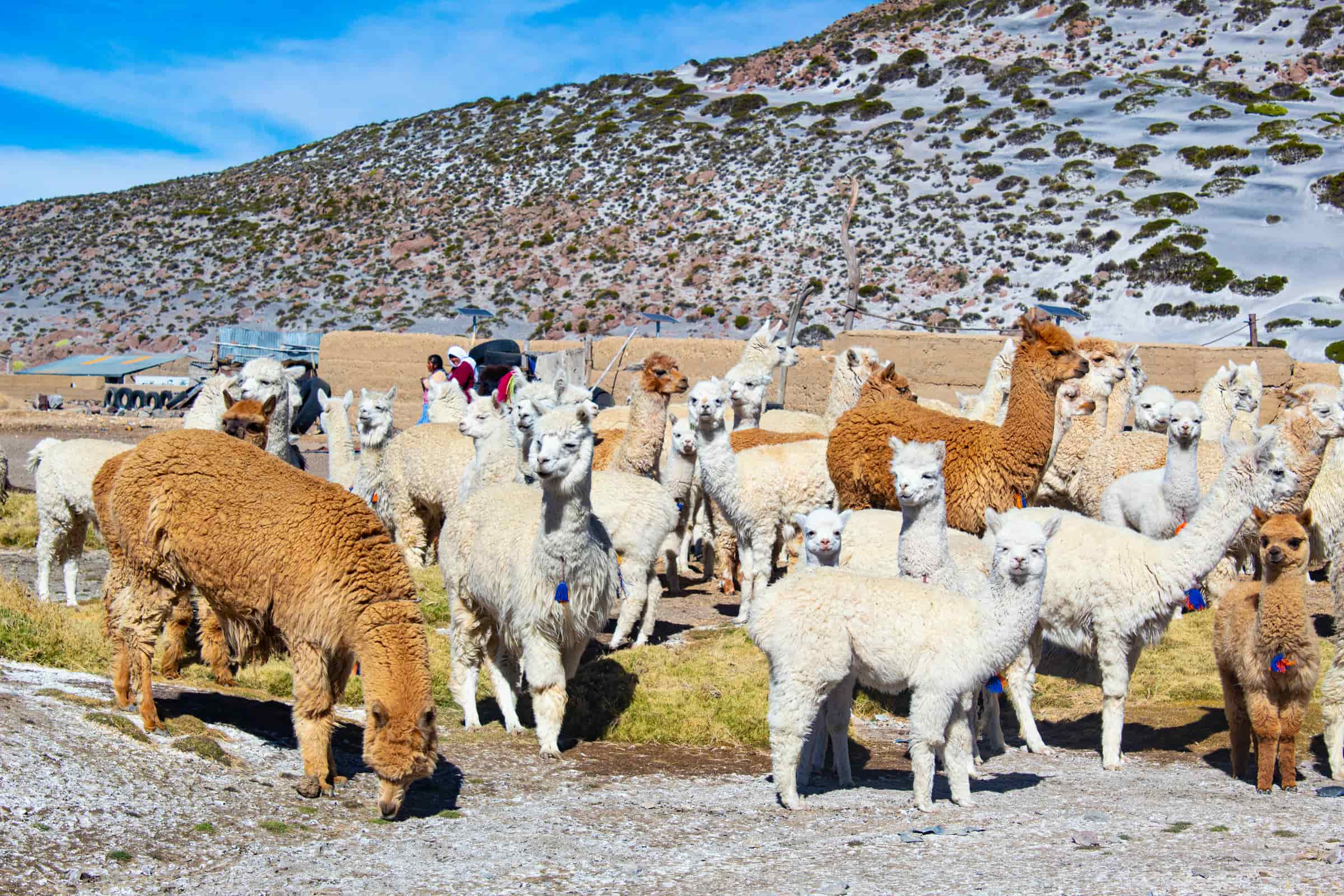
Mundo Alpaca is more than just a shop; it’s a center dedicated to alpacas and the production of alpaca wool products. It’s an interesting place to learn about these Andean animals and shop for high-quality textiles.
Alpaca Center:
- Alpacas and Llamas: You can see live alpacas and llamas in enclosures and learn about the different breeds.
- Textile Demonstrations: Watch demonstrations of spinning and weaving alpaca wool using traditional methods.
- Shopping: The center has a large shop selling a wide range of alpaca products – sweaters, scarves, blankets, etc., in various qualities and price ranges.
Educational and Shopping:
- Learn About Alpaca: Find out about the characteristics of alpaca wool and its importance in Andean culture.
- Quality Alpaca Products: If you’re looking to buy genuine alpaca items, Mundo Alpaca is a reliable place to find them. Be aware that prices can be higher than in street markets, but the quality is generally assured.
- Free Admission: Entry is usually free, making it accessible even if you’re not planning to buy anything.
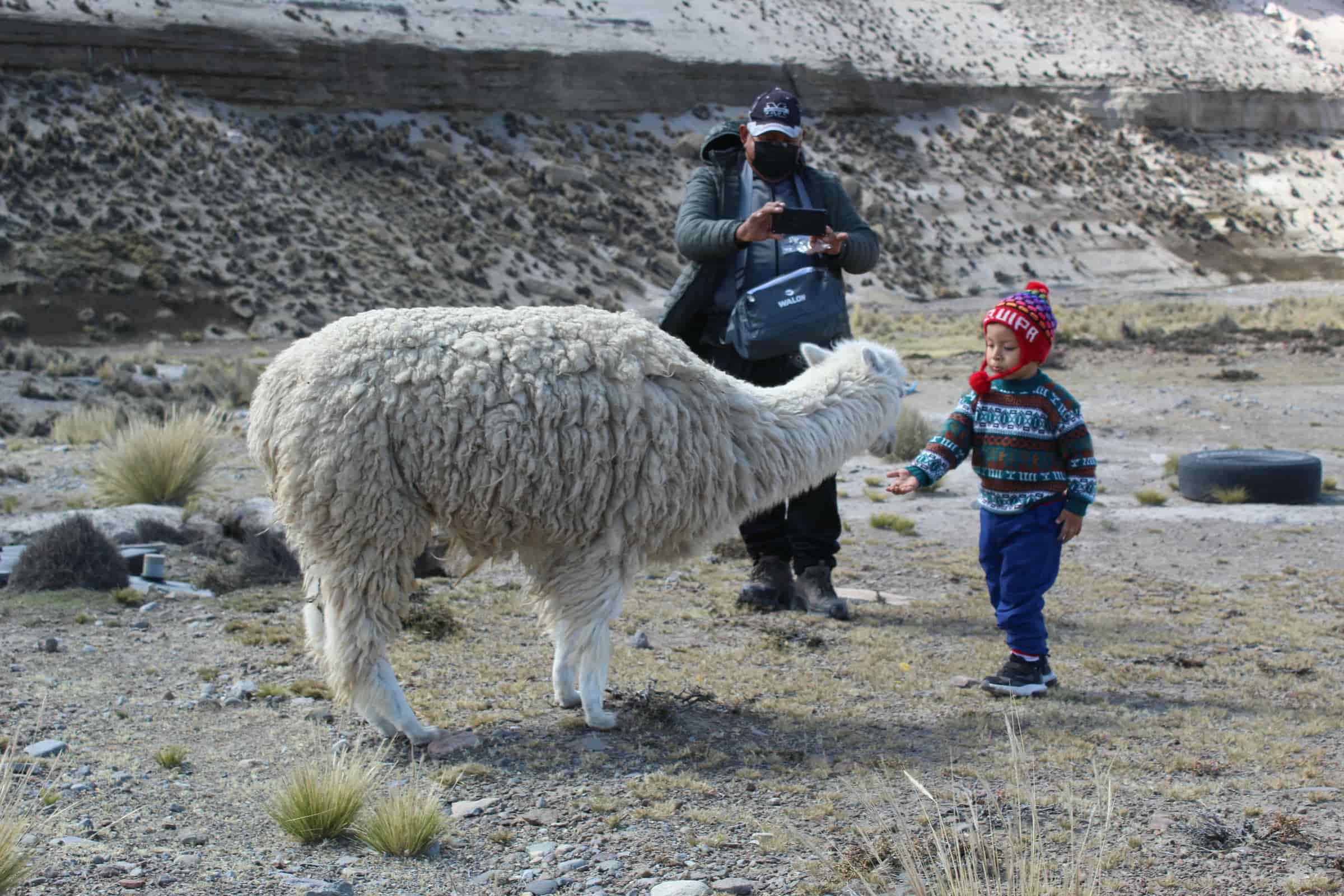
Good for Families and Souvenirs: Mundo Alpaca is a good option for families, especially children who enjoy seeing the animals. It’s also a convenient place to buy souvenirs if you’re interested in alpaca products.
Sabandia Mill
The Molino de Sabandia, or Sabandia Mill, is a beautifully preserved 18th-century water mill located just outside of Arequipa. It’s a peaceful and scenic escape from the city, showcasing historical milling technology and countryside charm.
Historical Mill:
- 18th Century: The mill dates back to 1785 and has been restored to working order.
- Water Power: It’s powered by a waterwheel that diverts water from a nearby spring, demonstrating traditional milling techniques.
- Picturesque Setting: Located in a green valley with willow trees, surrounded by farmland and with views of the volcanoes, it’s a very scenic spot.
Visiting Sabandia Mill:
- Mill Tours: Guided tours are usually available, explaining the milling process and the history of the site.
- Surrounding Area: Explore the gardens, courtyards, and surrounding countryside. The area is pleasant for a leisurely walk.
- Traditional Food: There are often restaurants nearby serving traditional Peruvian food.
Escape the City: Sabandia Mill is a great half-day trip from Arequipa, offering a relaxing break from the urban environment and a glimpse into rural life and history.
National University of San Agustin’s Natural History Museum
The Museo de Historia Natural de la Universidad Nacional de San Agustín, or the Natural History Museum of the National University of San Agustin, is a smaller museum but offers an interesting look at the natural diversity of the Arequipa region and Peru. It’s ideal for those interested in science and nature.
Natural History Focus:
- Regional Fauna and Flora: The museum displays exhibits on the animals, plants, and geology of the Arequipa region and broader Peru.
- Collections: Expect to see displays of taxidermied animals, insects, fossils, minerals, and botanical specimens.
- Research and Education: As part of the university, the museum also plays a role in scientific research and education.
Visiting the Museum:
- Smaller Scale: It’s a smaller museum compared to some of the grand colonial sites, making it manageable for a shorter visit.
- Educational: The exhibits are informative, though perhaps less interactive or modern than some larger natural history museums.
- Quiet Atmosphere: It’s usually a quiet and uncrowded museum, offering a peaceful visit.
For Nature Enthusiasts: If you have an interest in biology, geology, or the natural world, this museum provides a local perspective on Peru’s biodiversity. It might be particularly interesting for students or those with a specific scientific interest.
Selva Alegre Park
Selva Alegre Park, or Parque Selva Alegre, is a large and green urban park in Arequipa, offering a welcome space for recreation and relaxation. It’s a place where you can see locals enjoying leisure time and escape the city streets.
Urban Green Space:
- Large Park: It’s one of the largest parks in Arequipa, with plenty of space to walk around and relax.
- Greenery and Trees: The park is filled with trees, gardens, and green areas, providing a contrast to the city’s stone buildings.
- Recreational Facilities: You might find walking paths, benches, and sometimes basic recreational facilities.
Local Life:
- People-Watching: Selva Alegre Park is a great place to observe local life. You’ll see families, couples, and individuals relaxing, exercising, or socializing.
- Events and Activities: Sometimes the park hosts local events or activities, especially on weekends.
- Peaceful Escape: It’s a good place to take a break from sightseeing, enjoy some fresh air, and relax in a green setting.
Simple Enjoyment: Selva Alegre Park is not a major “attraction” in the sense of museums or historical sites, but it offers a pleasant and authentic experience of daily life in Arequipa. It’s a nice place to unwind and enjoy a bit of nature within the city.
Conclusions and Final Tips
Arequipa is a city rich in history, culture, and natural beauty. From its stunning Plaza de Armas and colonial architecture to its museums and natural surroundings, there’s a lot to explore. Remember these key points when planning your visit:
- Altitude Acclimatization: Arequipa is at high altitude. Take it easy on your first day and allow yourself time to adjust.
- Walking City: The center of Arequipa is very walkable. Explore the Plaza de Armas, churches, and monasteries on foot.
- Sillar Stone Architecture: Appreciate the unique white sillar stone architecture that gives Arequipa its distinctive look.
- Try Local Cuisine: Arequipa has a delicious regional cuisine. Don’t miss trying local dishes like Rocoto Relleno or Chupe de Camarones.
- Day Trips: Consider day trips to places like the Sabandia Mill or even the Colca Canyon if you have more time.
Alternative Destinations in Peru:
If you enjoy Arequipa, you might also like these similar destinations in Peru:
- Cusco: Another historic city with impressive colonial architecture and Inca history. Cusco is the gateway to Machu Picchu.
- Trujillo: Located on the coast, Trujillo is known for its elegant colonial architecture and nearby pre-Inca archaeological sites like Chan Chan.
- Puno (Lake Titicaca): While different in setting (by Lake Titicaca), Puno shares cultural similarities with Arequipa and offers unique landscapes and island cultures.
- Huaraz: For mountain scenery and trekking, Huaraz in the Cordillera Blanca is a fantastic alternative, though more focused on nature and adventure than urban sites.
Arequipa is a captivating city that deserves to be explored in detail. Enjoy your visit to the “White City” of Peru!